2026-10-10 ·
Does Homeowners Insurance Cover Roof Leaks? (Claims Guide)
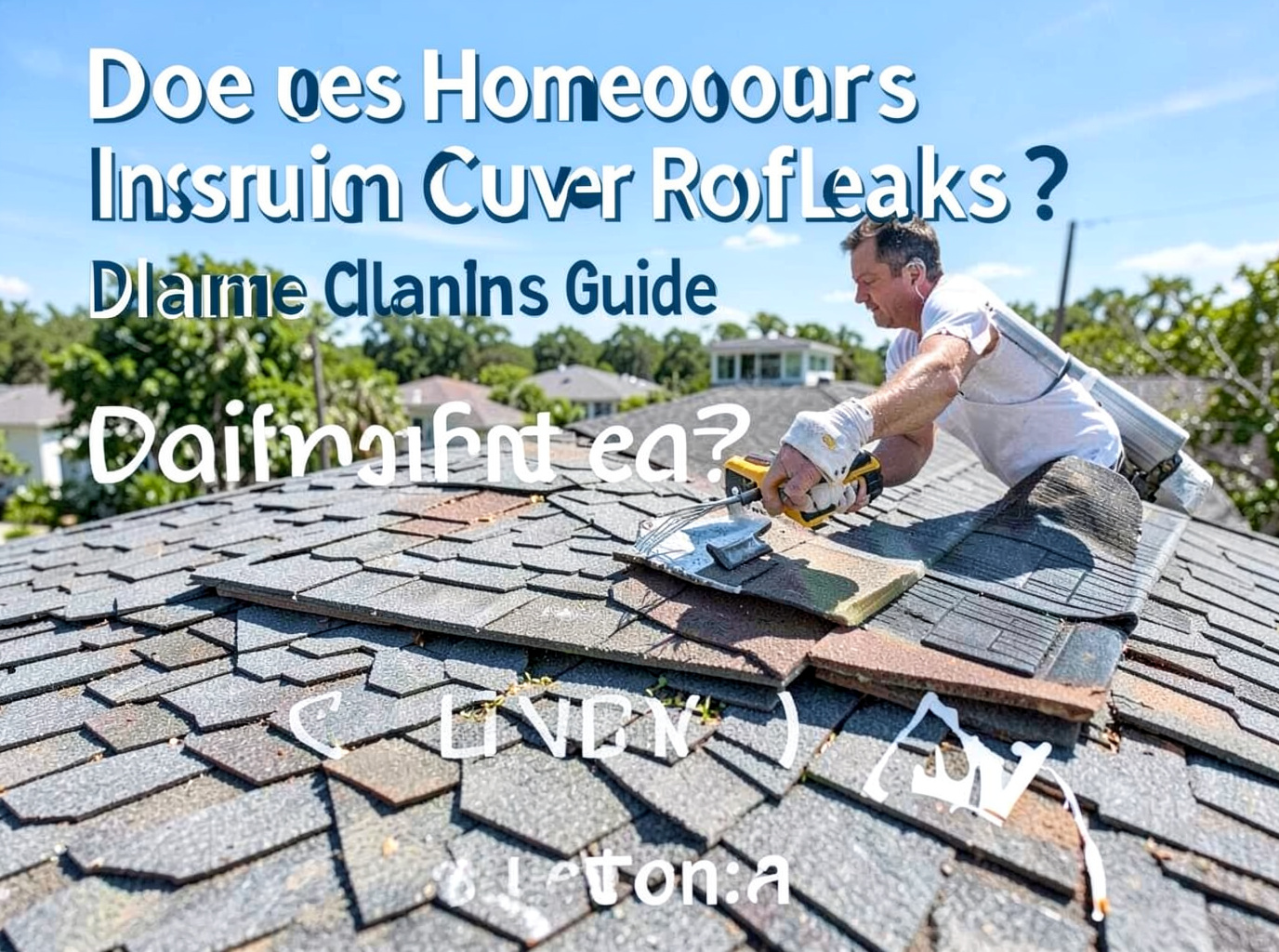
Homeowners insurance in Deltona typically covers roof leaks caused by sudden perils such as wind, hail, or falling trees but excludes damage from normal aging, poor maintenance, or gradual leaks.
Policy Coverage Basics
Most standard policies in Volusia County treat roof leaks as covered when tied to a named peril listed in the contract. Sudden water intrusion from a storm event qualifies, while leaks that develop over years from shingle degradation do not. Insurers often send adjusters to inspect for evidence of the triggering event versus ongoing deterioration. Homeowners in neighborhoods like Deltona Lakes and Enterprise should review their declarations page for wind and hail deductibles, which can range from 1% to 5% of dwelling coverage. Documentation of the leak's origin, including photos taken before any repairs, strengthens the claim. Policies also distinguish between the roof surface and interior water damage, with the latter sometimes covered under separate provisions even if the roof itself faces denial.
Storm-Related Leaks Common in Deltona
Deltona's humid subtropical climate brings hot summers and mild winters that accelerate shingle expansion and contraction, creating entry points during heavy rain events. Thunderstorms moving inland from Daytona Beach or Sanford frequently produce wind-driven rain that tests flashing around chimneys and vents. When these events cause sudden leaks, claims often succeed if the damage shows clear storm indicators rather than pre-existing issues. How Hurricanes Damage Roofs in Deltona outlines the specific wind patterns that affect Volusia homes. Residents near Lake Monroe report increased claims after tropical systems because standing water on low-slope sections saturates underlayment quickly. Storm Damage Roof Repair crews in the area routinely document these patterns for insurance adjusters.
Wear and Tear Exclusions
Insurance carriers in Volusia routinely deny claims when leaks trace to age-related granule loss or cracked seals that develop over 15–20 years on asphalt shingles common in Deltona Lakes. Mild winter temperatures reduce freeze-thaw cycles but allow constant humidity to promote algae and moss growth that holds moisture against the decking. Adjusters compare the affected section against untouched areas of the same roof to determine if the issue is isolated or widespread. Hail Damage vs. Normal Wear: How to Tell the Difference helps homeowners prepare evidence that distinguishes impact dents from simple weathering. Owners who skipped seasonal inspections often face out-of-pocket costs for these exclusions.
Steps to File a Claim Successfully
Begin by documenting the leak with dated photos and videos showing water stains or active dripping, then contact your insurer within the timeframe stated in the policy. Request a licensed roofer to perform an inspection that produces a written report citing the cause. In Deltona, many claims move faster when the report references nearby landmarks such as the Deltona Community Center for location context during adjuster visits. Follow up in writing after every conversation and retain copies of all estimates. If the initial denial cites wear and tear, ask for the specific policy language and consider a second opinion from another contractor familiar with Volusia County roofing stock.
Local Factors That Influence Outcomes
Homes in Enterprise and surrounding Volusia subdivisions often feature 20–30-year-old shingle roofs that have endured multiple summer thunderstorm seasons without full replacement. Soil conditions near Lake Monroe can lead to minor settling that stresses roof planes differently than inland lots. When filing, note any recent tree trimming or HVAC work that might have disturbed flashing. Roof Leak Detection & Inspection reports that include moisture meter readings help separate storm-driven leaks from chronic humidity issues. Keeping records of prior maintenance performed in spring and fall supports arguments that the homeowner addressed known risks before the covered event occurred.